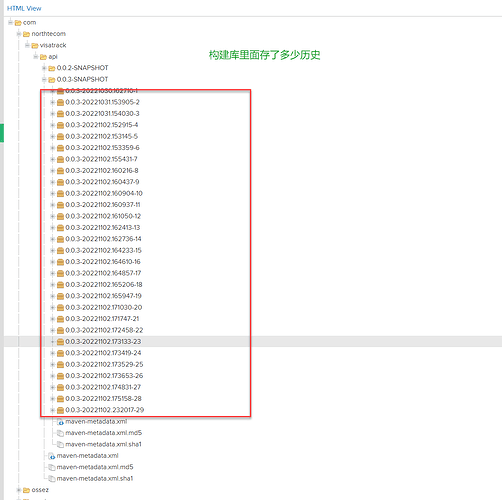
每一次 SNAPSHOT 版本的推送都会创建一个新的文件。 针对 Docker 的推送就更加不得了了。 就这么一个小项目,这几天的推送量就好几个 G 了。 好在我们是存在 S3 上面的,存储空间可以无限扩展。 这也是一个优势吧,如果存本地服务器上,没几天就又要考虑加硬盘了。 https://www.ossez.com/t/topic/14193
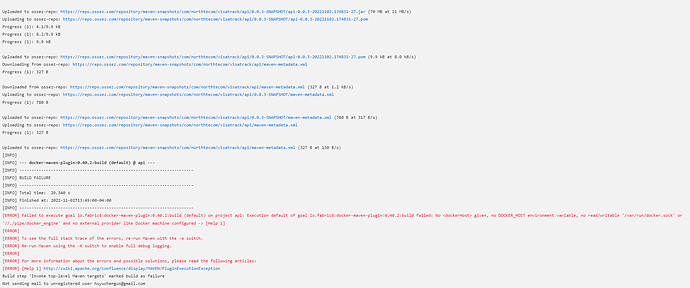
我们在使用 Jenkins 构建我们的一个 Docker 项目的时候提示: [ERROR] Failed to execute goal io.fabric8:docker-maven-plugin:0.40.2:build (default) on project api: Execution default of goal io.fabric8:docker-maven-plugin:0.40.2:build failed: No <dockerHost> given, no DOCKER_HOST environment variable, no read/writable '/var/run/docker.sock' or '//./pipe/docker_engine' and no external provider like Docker machine configured -> [Help 1] [ERROR] [ERROR] To see the full stack trace of the errors, re-run Maven with the -e switch. [ERROR] Re-run Maven using the -X switch to enable full debug logging. [ERROR] [ERROR] For more information about the errors and possible solutions, please read the following articles: 通过日志我们了解到上面的问题就是 Jenkins 没有办法调用 Docker 的构建命令。 问题和解决 我们尝试了很多种方法来解决这个问题。 包括有重新安装 Docker,重新写脚本等等,都发现没有办法解决。 然后我们在下载的 Git 代码中直接使用 Root 账号进行编译,发现是没有问题的。 这个就让我想到,有没有可能是因为 Jenkins 的用户没有访问 Docker 的权限。 因为 Jenkins 的编译是在 Jenkins 自己这个账号下运行的的。 随后我们运行了下面 2 个命令。 sudo gpasswd -a jenkins docker sudo usermod -a -G docker jenkins 上面命令运行后的输出如下: [root@devops-norctx-com Usvisatrack-Api-Service]# sudo gpasswd -a jenkins docker Adding user jenkins to group docker [root@devops-norctx-com Usvisatrack-Api-Service]# sudo usermod -a -G docker jenkins 简单来说,上面 2 个命令执行的结果就是吧 Jenkins 这个用户加到 Docker 这个用户组里面。 在完成上面的配置后,重启 Jenkins。 然后再进行编译,我们发现提示没有办法执行 Docker 打包的问题就解决了。 https://www.ossez.com/t/jenkins-docker-host/14191
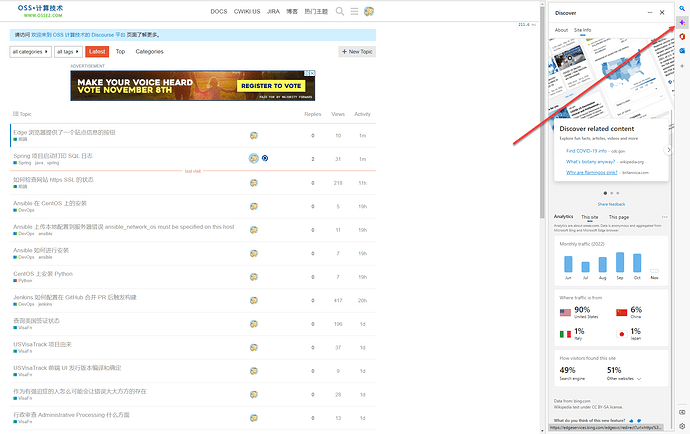
在升级了 Edge 浏览器后,提供了一个站点信息的按钮。 2022-11-03_06-14-292054×1292 415 KB 不太清楚这个数据是从哪里来的,应该能够基本上提供访问当前站点的用户地区属性吧。 仔细读了下说明应该是从 Bing 搜索引擎和使用 Edge 用户的访问数据中获取的(Microsoft Bing and Microsoft Edge browser.) https://www.ossez.com/t/edge/14190
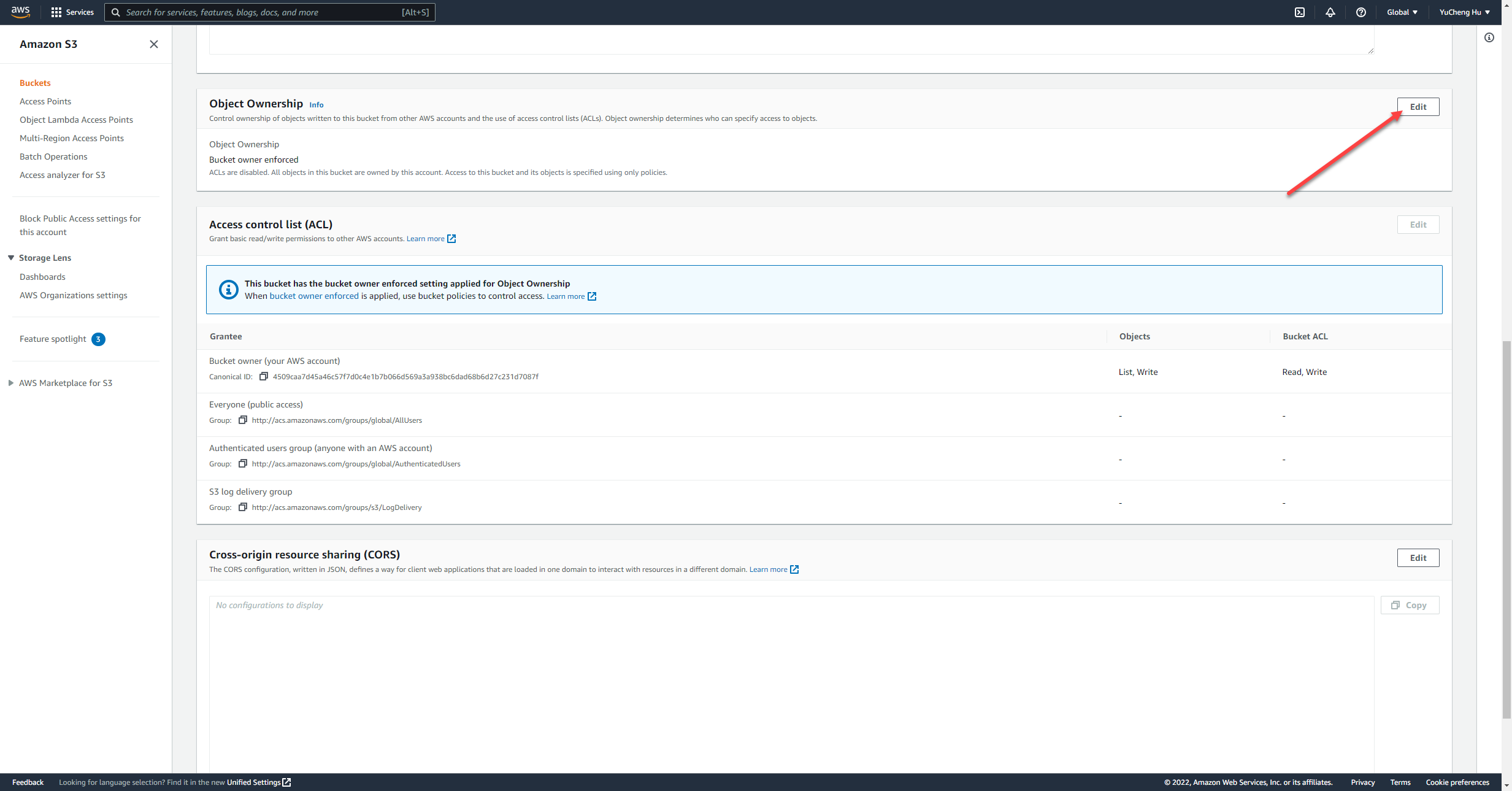
在新的 AWS S3 控制中,启用了一个默认的配置。 这个默认的配置能够阻止用户的访问。 如何修改 首先需要对 Object 所有者进行修改。 在打开的界面中,选择 ACLs 启用。 然后选择选项。 然后单击保存。 随后,就可以对 ACL 进行编辑了。 通常可以通过这个配置来完成对参考的默认访问。 https://www.ossez.com/t/aws-s3-bucket-acl/14175
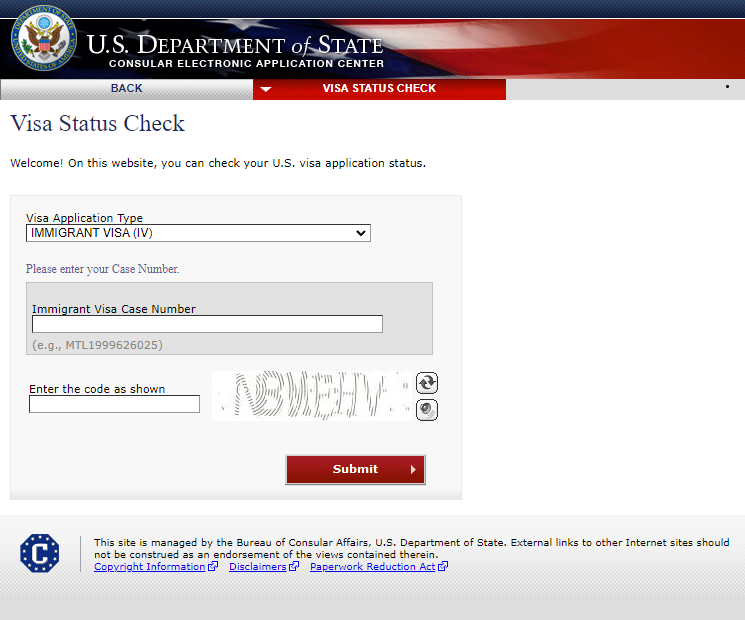
在美国移民签证中有一个非常头疼的过程叫做行政审查,英文通常被简称为 AP。 通常来说 AP 的时间在 1 个月左右,有时候会长达数月。 USVisaTrack 项目由来 作为被行政审查过的人,深知这个 AP 对申请人带来的煎熬。这个煎熬有时候甚至超过了直接的拒签,更经历过有朋友被行政审查超过 6 个月后拒签的痛苦。 经过网站上考古,这方面的网站确实也比较少,没有办法横向比较也没有办法从已有的案例中获得对自己有用的信息。 本着 IT 精神就是没有的话,我们一堆被审查过的人就有了自己一个的想法,于是就有了这个 USVisaTrack 项目了。 技术方案 USVisaTrack 的技术方案采取前后端分离的微服务设计模式。 前端使用 VUE 框架,后端使用 Spring 框架,数据库采用传统的 MariaDB 数据库。 源代码和技术文档 源代码和技术文档,请访问:USVisaTrack · GitHub 功能 目前我们主要在打通基本上的功能。完成用户注册,用户自身 Case 的维护,简单报表,与社区互动链接。 在后续版本中,我们会继续推进关注其他用户 Case 来获得 Case 更新信息。 获得 Case 更新信息 Case 更新信息的获取完全依赖网站上的每一个用户。 我们不会使用用户提供的 Case 号到美国大使馆上去查询 Case 的信息。主要原因是美国大使馆没有提供 Case 查询的 API。 你提供的状态更新将会通过邮件发送给所有关注你 Case 的用户。 简单点来说,你的更新将会帮助到所有人。 查询 DS160 状态的网站为:CEAC 这个网站是 Bureau of Consular Affairs, U.S. Department of State (美国国务院领事事务局)提供的。 通常界面如上,你需要输入你的签证类型,DS160 编号,验证码来获得状态。 功能和意见 我们尊重所有用户的隐私和意见。 本着公开的原则,如果您的意见是可以公开的,请在当前版块中直接提出,我们会尽快解答你的疑问和问题。 如果您想直接和管理员取得联系,请发送电子邮件到: service@ossez.com https://www.ossez.com/t/usvisatrack/14166
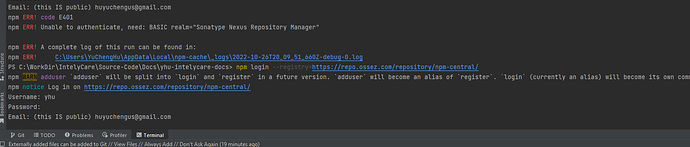
例如,我们在 npm 登录 Nexus 的仓库的时候提示错误如下: npm ERR! code E401 npm ERR! Unable to authenticate, need: BASIC realm="Sonatype Nexus Repository Manager" npm ERR! A complete log of this run can be found in: npm ERR! C:\Users\YuChengHu\AppData\Local\npm-cache\_logs\2022-10-26T20_09_51_660Z-debug-0.log 问和解决 上面的问题在于 Nexus 的 realm 配置。 把 Nexus 的 NPM 配置移动到右侧即可。 https://www.ossez.com/t/npm-nexus/14167
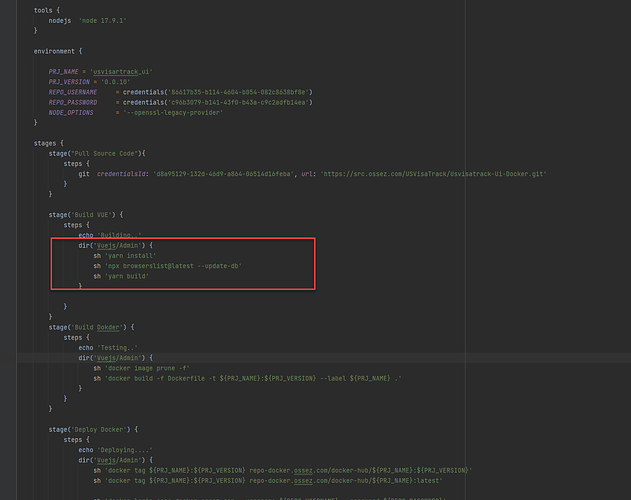
如果需要在 Jenkins 的子文件夹中执行命令,我们不能使用 cd 的方式来进入子文件夹。 而是需要在 steps 中定义 Dir 如下面的配置: stage('Build VUE') { steps { echo 'Building..' dir('Vuejs/Admin') { sh 'yarn install' sh 'npx browserslist@latest --update-db' sh 'yarn build' } } } 上面的命令就可以子文件夹中执行命令。 https://www.ossez.com/t/jenkins-pipeline/14163
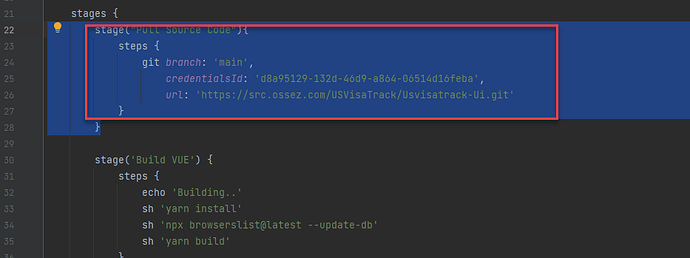
在 Jenkins 中,可以使用下面的定义来检出需要编译的代码。 stage("Pull Source Code"){ steps { git branch: 'main', credentialsId: 'd8a95129-132d-46d9-a864-06514d16feba', url: 'https://src.ossez.com/USVisaTrack/Usvisatrack-Ui.git' } } 在 Branch 后面指定我们需要检出的分支。 当上面代码执行后,将会执行检出。 https://www.ossez.com/t/jenkins-pipeline-git-step/14164

在前端发行版本的确定中,我们使用的是 Jenkins 的 pipeline 构建文件来进行自动构建的。 你只需要修改 PRJ_VERSION 的版本 PRJ_VERSION 的版本号,然后将代码进行提交然后 PUSH 到 Git 仓库后,项目将会自动被编译并且将新版本的 Docker 文件推送到 Docker 的仓库中。 仓库校验 你需要确定有仓库的访问权限,访问地址:Nexus Repository Manager 这个地址是我们 Docker 容器的仓库地址。 可以在左侧找到项目的版本,然后单击版本在右侧确定版本提交的时间。 以确定前端 UI 版本被正确编译并被推送到仓库中。 https://www.usreio.com/t/usvisatrack-ui/307
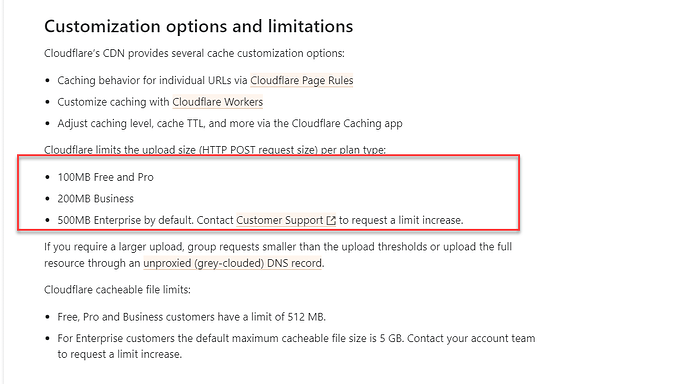
这个 413 错误 有 2 个方面的,第一是 nginx 反向代理的问题。 通常这个将包的大小设置到 1024m 都能解决。 我们的坑 我们的坑的错误是我们使用了 cloudflare。 cloudflare 有数据上传限制。 否则会抛出下面的的提示: <html> <head><title>413 Request Entity Too Large</title></head> <body> <center><h1>413 Request Entity Too Large</h1></center> <hr><center>cloudflare</center> </body> </html> 考古后发现下面的配置: Cloudflare limits upload size (HTTP POST request size) per plan type: 100MB Free and Pro 200MB Business 500MB Enterprise by default 如果你需要上传超过上面大小的数据的话,就不能使用 Cloudflare 的 CDN 缓存功能。 你可以只使用 Cloudflare 的 CDN 服务来解决这个问题。 https://www.ossez.com/t/maven-docker-maven-plugin-push-413/14160